Looksmaxxing describes efforts to change or enhance physical appearance through grooming, skincare, fitness, or cosmetic treatments. Some habits support health and confidence. But treating every facial feature as something to “fix” can lead to unrealistic expectations...
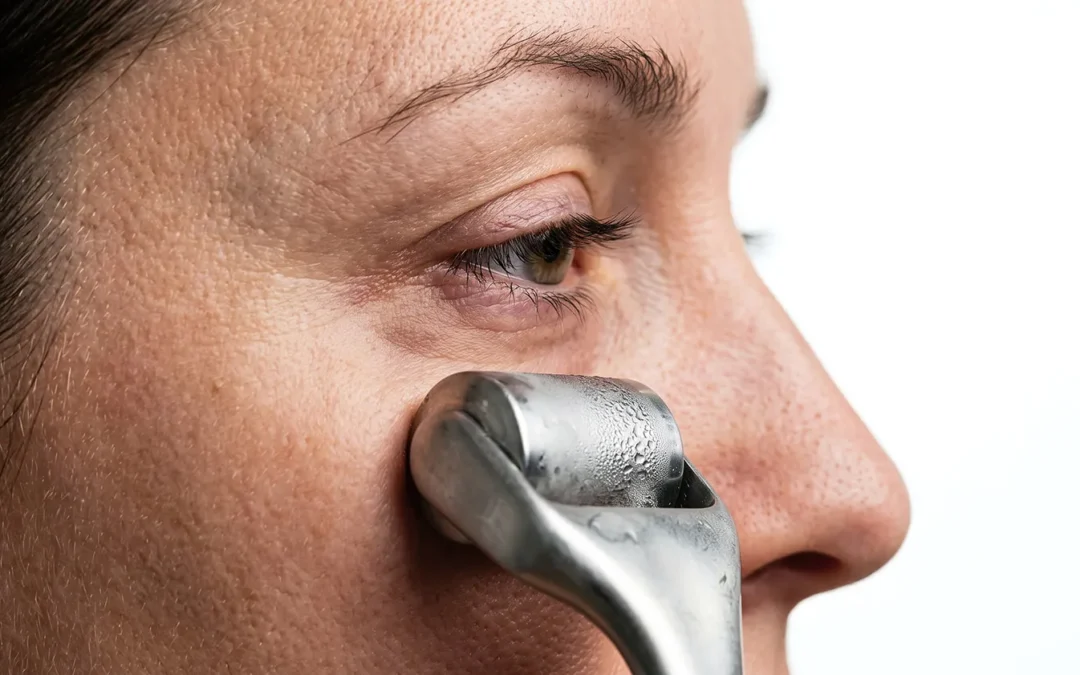
Ice rollers, cold plunges, cryo facials and frozen globes promise a less puffy, more refreshed face. But can ice rolling actually tighten skin or reduce under-eye bags? Cold may briefly change the appearance of swelling; it cannot reposition sagging tissue or replace...
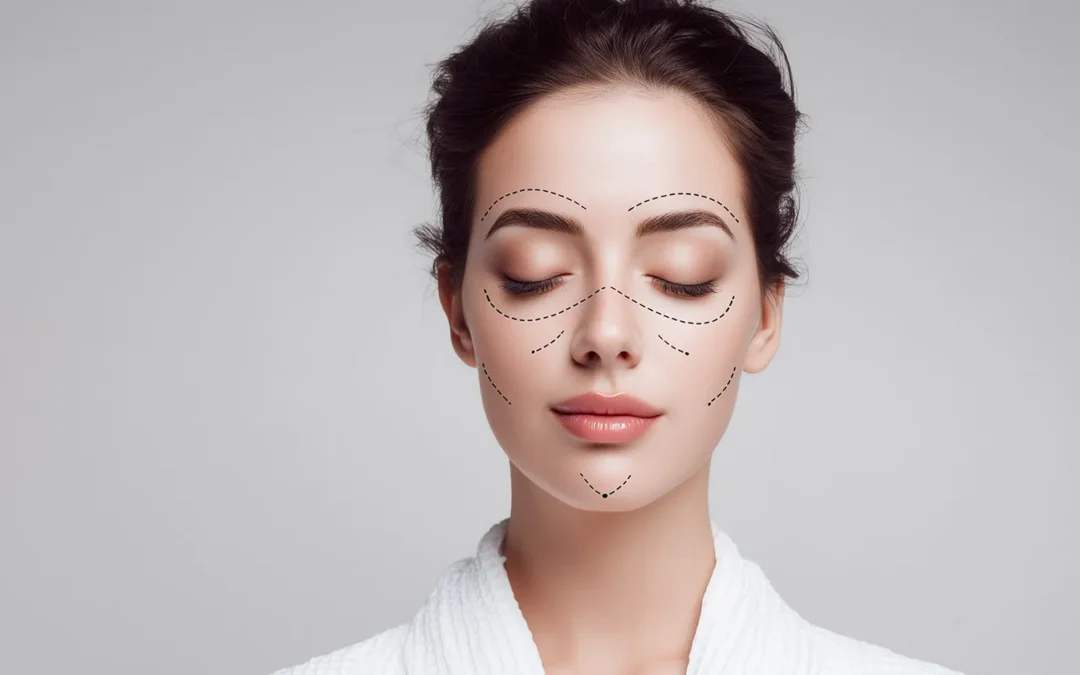
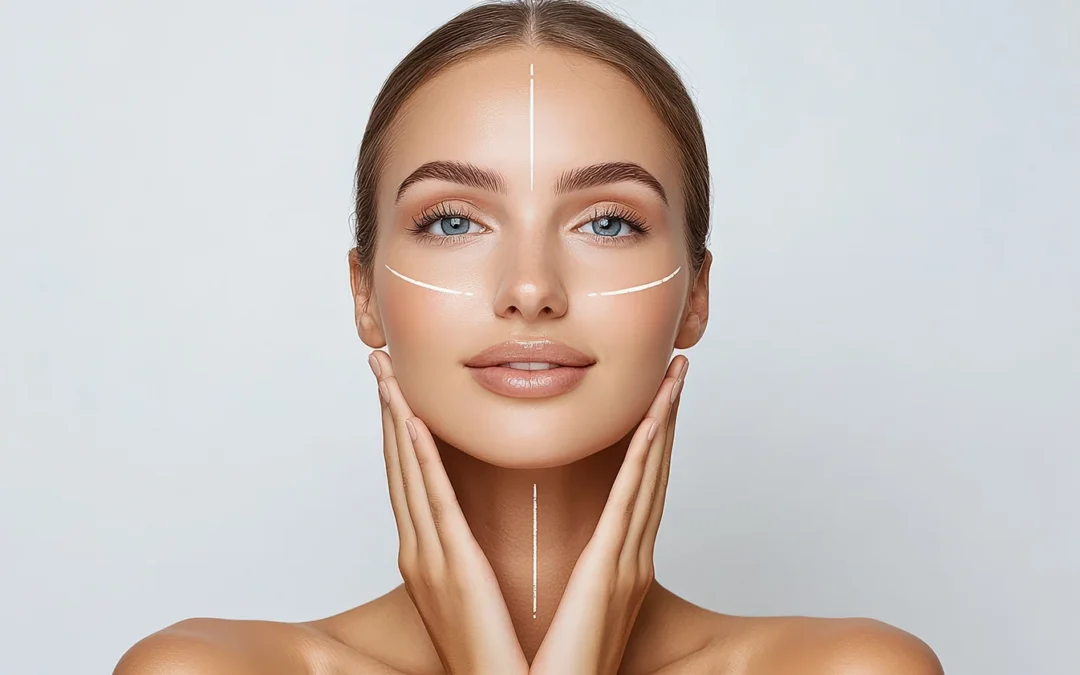
Facial balancing considers how the nose, chin, lips, jawline, and neck influence one another. Rather than changing every feature, a personalized assessment can identify which, if any, treatment may improve facial harmony while preserving the characteristics that make...
Can peptides, NAD skincare, collagen supplements and red light therapy actually reverse facial aging? These wellness trends may support certain aspects of skin health, but they do not replace treatments for deeper changes in facial anatomy. A personalized assessment...
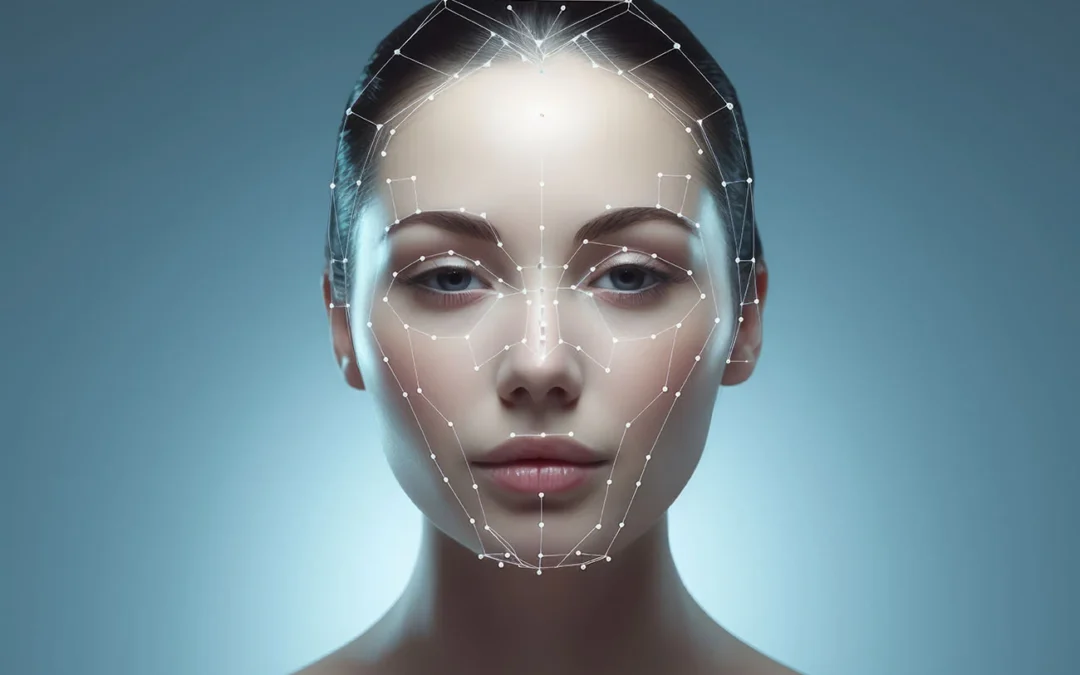
There is a new kind of reference photo appearing in plastic surgery consultations. It isn’t always a celebrity. Increasingly, patients are looking at AI-generated or digitally enhanced versions of their own faces—with a smaller nose, sharper jawline, lifted...
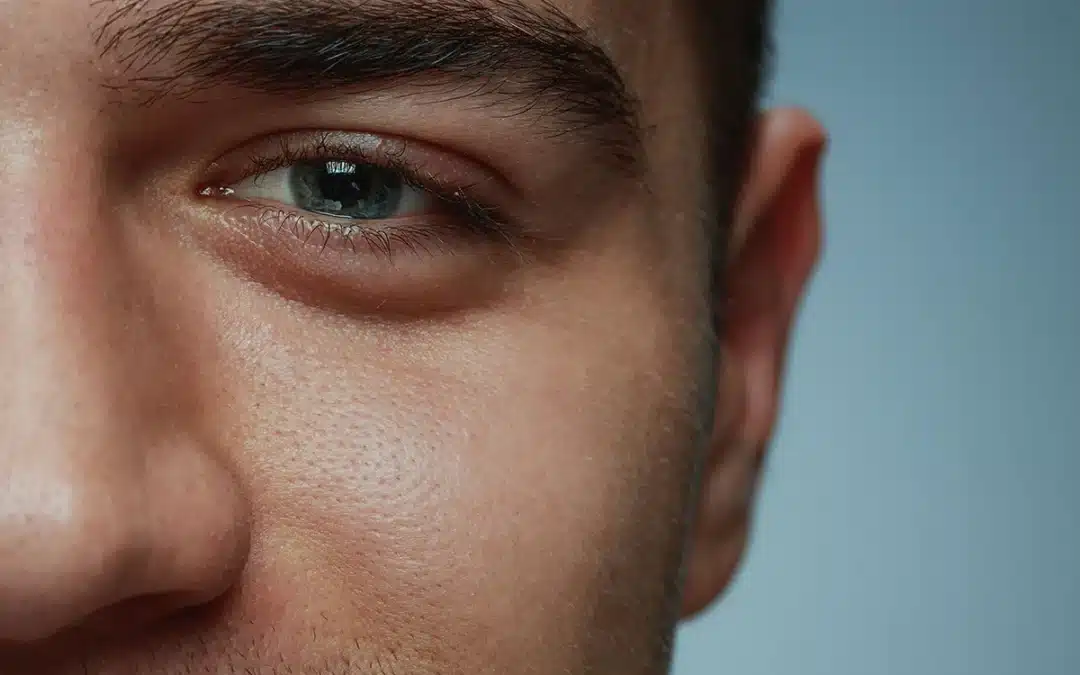
Do your eyes make you look tired even when you feel completely rested? Under-eye bags, hooded upper eyelids, hollowness and a heavy brow can all create a fatigued or older appearance—and sleep isn’t always the problem. For patients considering eyelid surgery in...