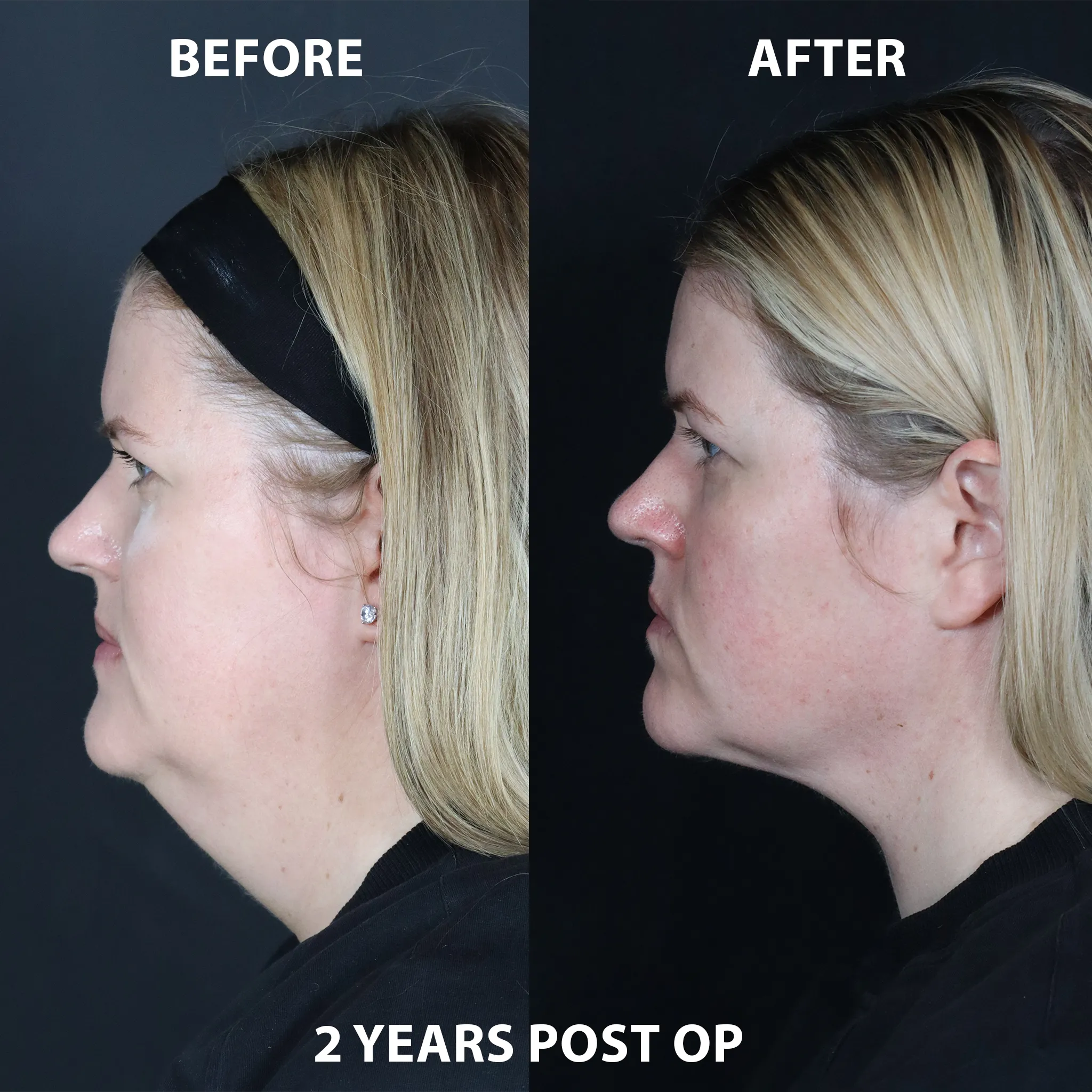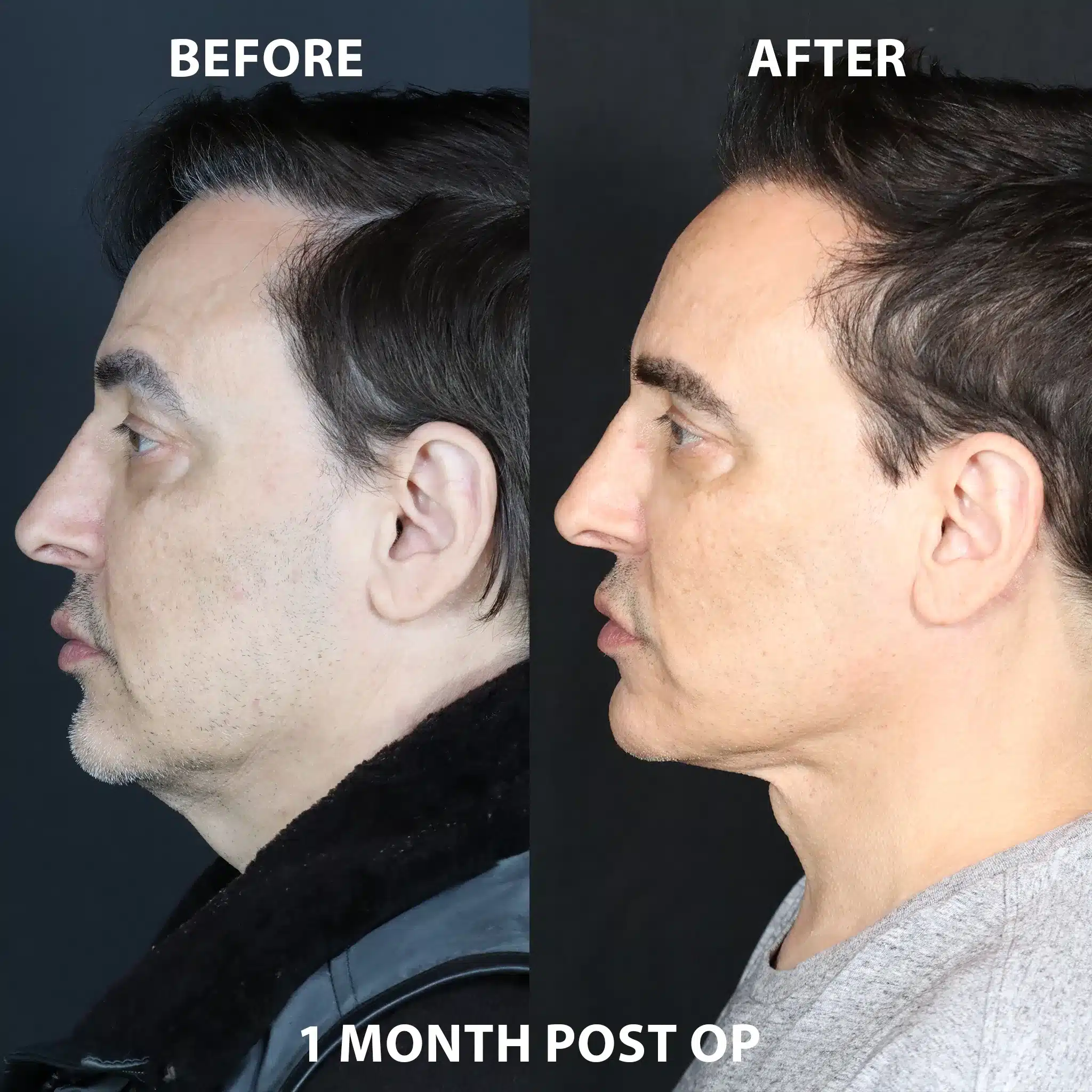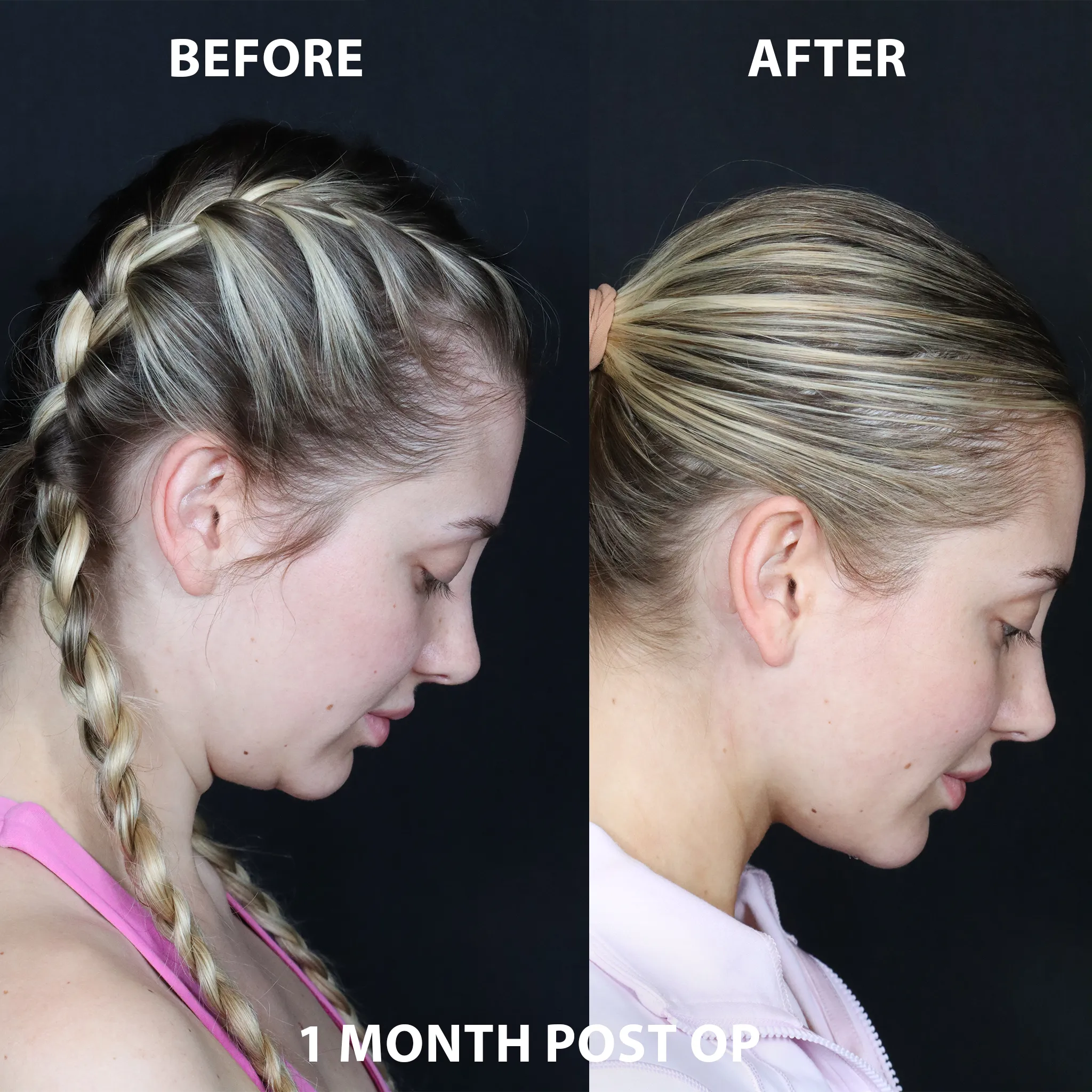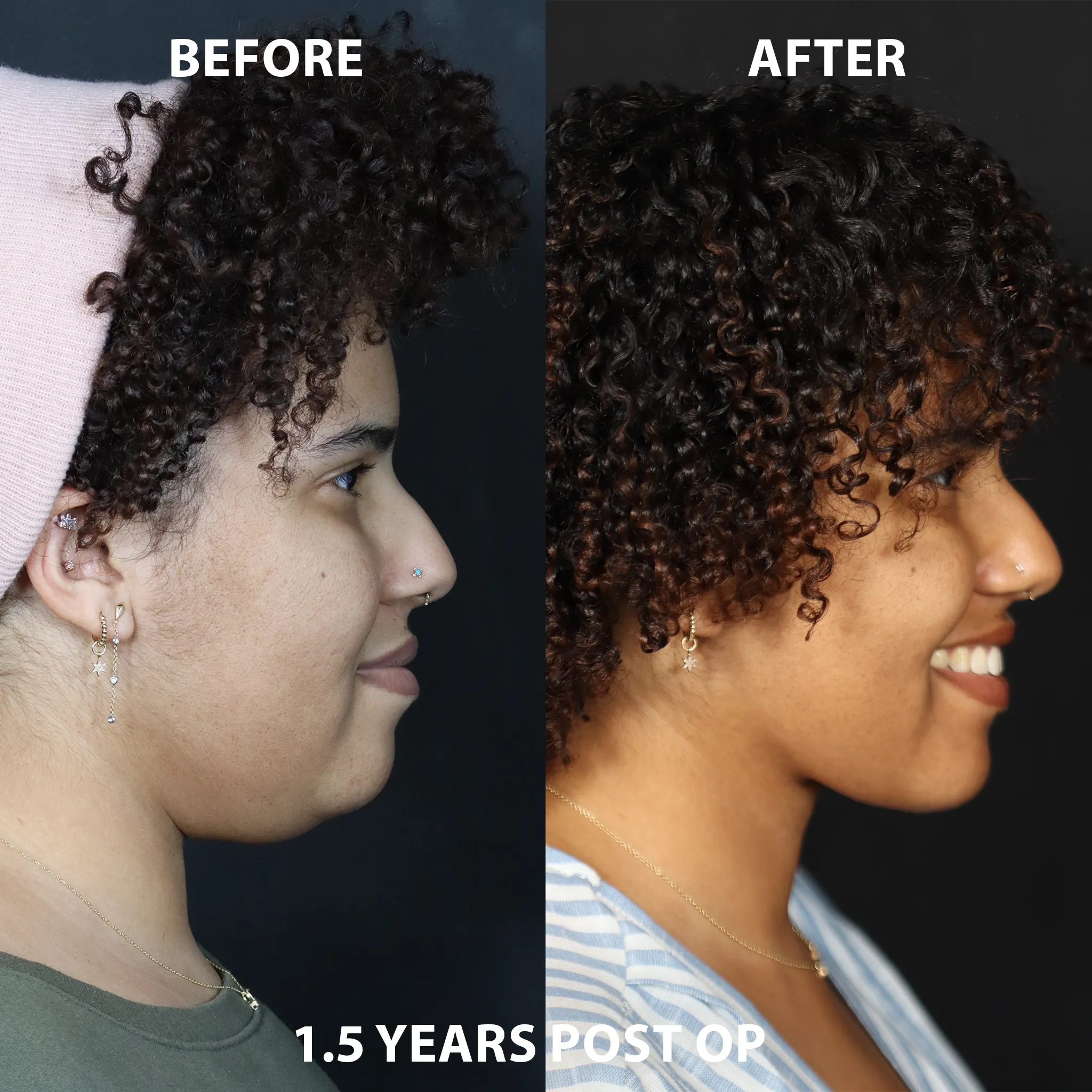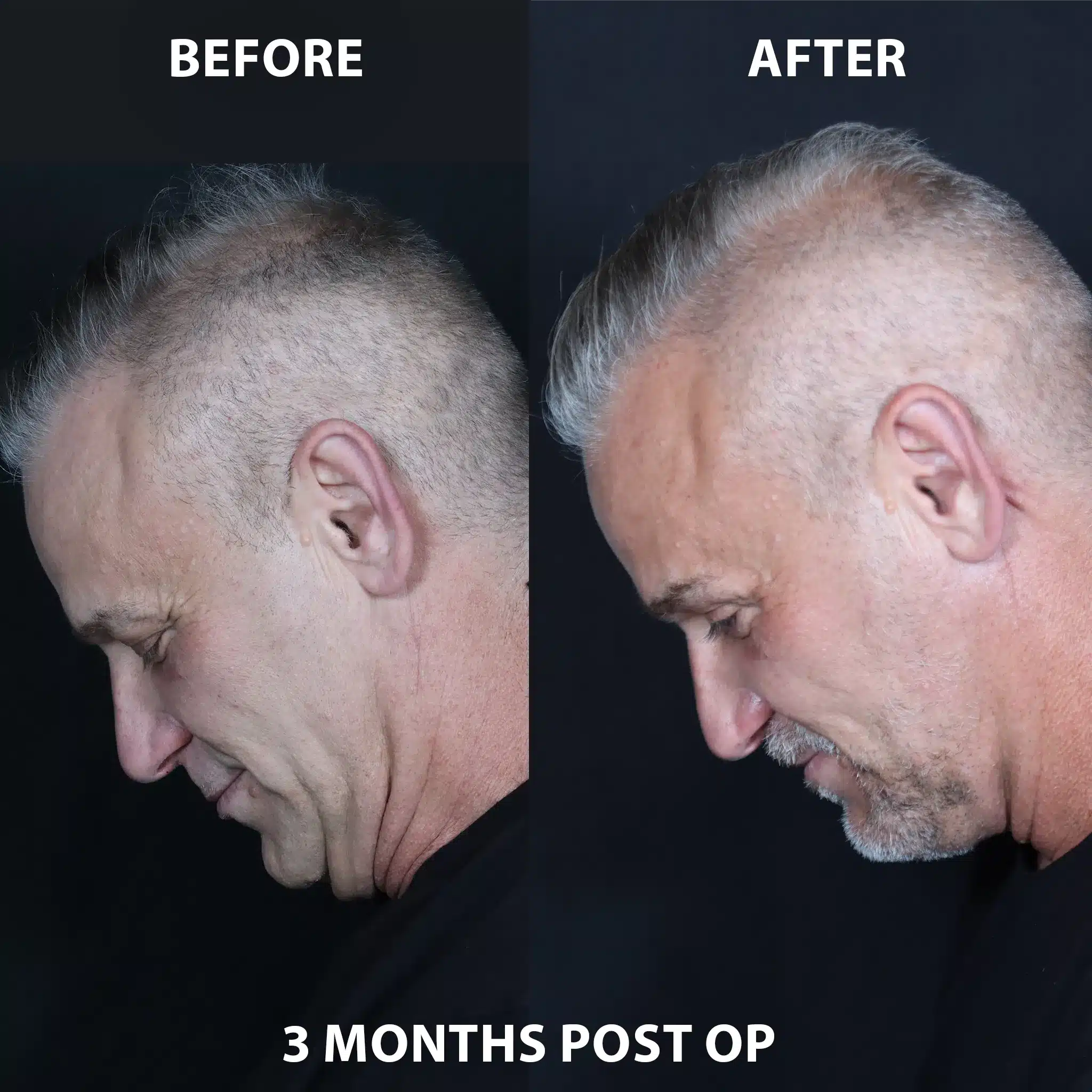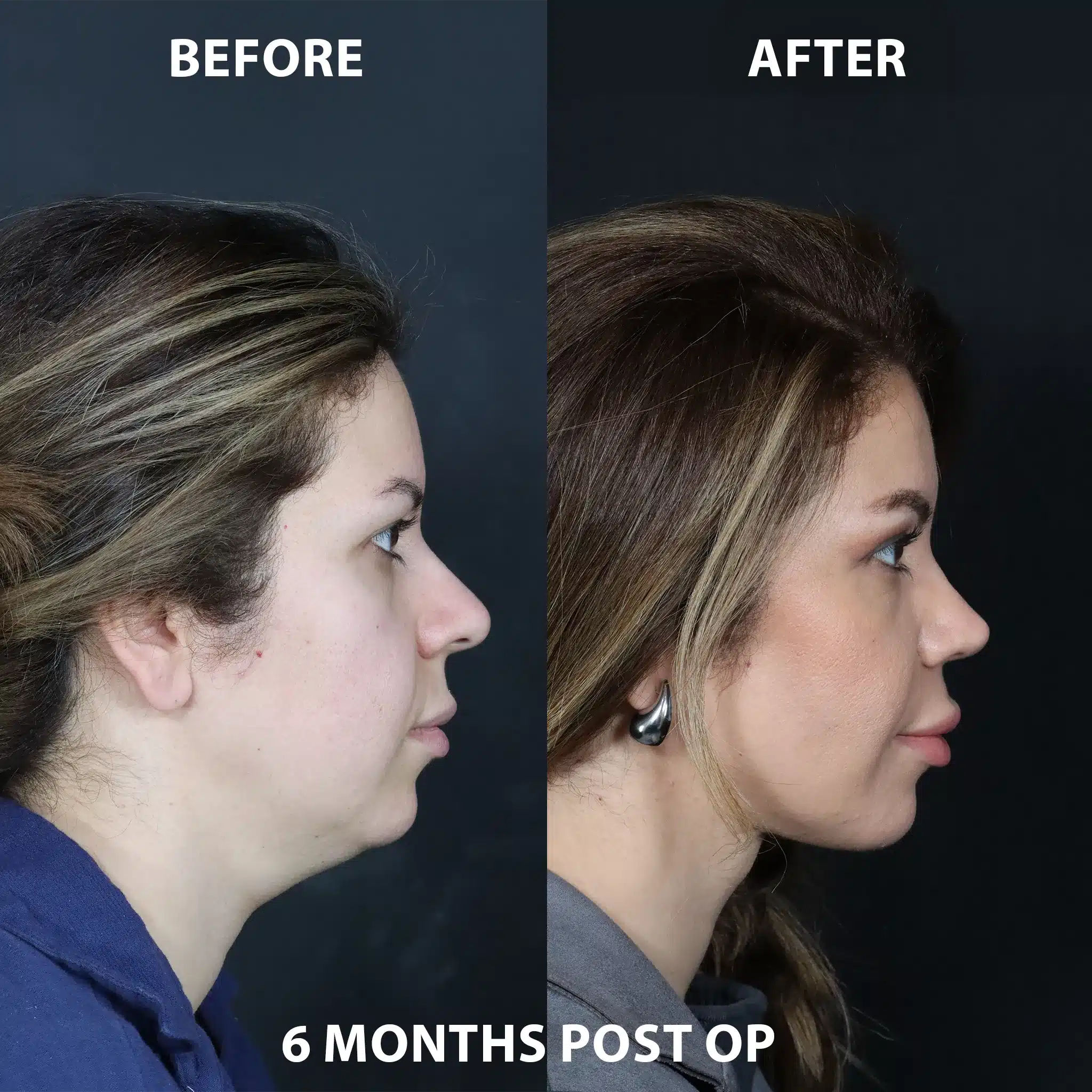

When most people think about facial aging, they focus on the face.
The truth is that one of the most powerful indicators of youth isn’t found in the cheeks or eyes—it’s found beneath the jawline.
A beautifully defined neck creates separation between the face and neck, enhances the profile, and conveys vitality in a way that few other features can. It’s why many of the world’s most elegant faces share one characteristic: a clean, uninterrupted jawline.
Yet achieving that result is often far more complex than simply tightening skin.Request Your Virtual Consultation
Why Some Neck Lift Results Look Better Than Others
Patients frequently ask why certain neck lift results appear naturally sculpted while others look tight but still heavy.
The answer lies beneath the surface.
For decades, neck rejuvenation focused primarily on skin tightening and fat removal. While these techniques remain important, today’s most sophisticated neck contouring procedures address deeper anatomical structures that contribute to fullness and aging.
One of those structures is the submandibular gland.
Located beneath the jawline, the submandibular glands are responsible for saliva production. In some individuals, however, they can become a significant contributor to neck fullness—even in patients who are thin and otherwise youthful.
No amount of dieting, exercise, skin tightening, or liposuction can address prominent glands.
When left untreated in carefully selected patients, they can limit the ultimate refinement of the neckline.
The Difference Between Improvement and Refinement
Most surgeons can improve a neck.
Fewer surgeons specialize in refining one.
The distinction is important.
At the highest level of facial rejuvenation, surgery becomes less about removing excess tissue and more about restoring ideal proportions and contours.
The goal is not simply to make someone look younger.
The goal is to create harmony.
For select patients, addressing deeper structures such as the submandibular glands allows for sharper jawline definition and a more elegant transition from the chin to the neck—details that often distinguish exceptional results from average ones.
Why This Area Requires Extraordinary Precision
The submandibular region contains delicate nerves, blood vessels, and important anatomical structures.
Historically, this has made gland management one of the more technically demanding aspects of advanced neck contouring.
As facial plastic surgeons, our responsibility is not only to achieve beautiful results but to do so with the greatest degree of safety possible.
This commitment to continual improvement is what drives surgical innovation.
How Ultrasonic Technology Is Changing Neck Surgery
Throughout my career, I have been interested in developing techniques that improve both outcomes and patient safety.
One advancement that has shown particular promise is ultrasonic dissection technology.
Unlike traditional surgical instruments that rely primarily on heat, ultrasonic devices use controlled ultrasonic energy to cut tissue while simultaneously sealing it.
This seemingly small difference can have meaningful implications during surgery.
The ability to seal tissue during gland reduction may help reduce postoperative salivary leakage while minimizing thermal exposure to nearby structures. Lower heat generation can also help protect delicate nerves that contribute to normal facial and neck function.
Recognizing the potential of this technology, I conducted and published research evaluating its use in submandibular gland management during advanced neck contouring procedures.
The findings demonstrated several advantages compared to conventional approaches, supporting the continued evolution of safer and more refined surgical techniques.
The Future of Facial Rejuvenation Is Anatomical Precision
The best facial rejuvenation procedures today are not about pulling tighter.
They are about understanding anatomy more deeply.
As our understanding of facial and neck aging continues to evolve, surgeons are increasingly able to address the specific structures responsible for an aged appearance rather than simply treating the symptoms.
This shift has transformed modern neck rejuvenation.
Patients are now seeking outcomes that are elegant rather than obvious, refined rather than overcorrected.
Achieving those results often requires attention to anatomical details that were once overlooked.
Choosing a Facial Plastic Surgeon for Advanced Neck Rejuvenation
When evaluating facial plastic surgeons, patients often focus on before-and-after photographs—and rightly so.
But equally important is understanding how a surgeon thinks.
The most natural-looking results often come from surgeons who continuously study anatomy, publish research, and contribute to advancing the field itself.
Because exceptional outcomes are rarely the result of a single technique.
They are the product of thousands of small decisions, informed by experience, innovation, and a commitment to excellence.
For patients seeking facial rejuvenation in New York City and around the world, understanding these distinctions can make all the difference.
Schedule a Consultation
Every neck ages differently, and every patient deserves an individualized treatment plan.
If you are considering a neck lift, deep neck contouring procedure, or facial rejuvenation surgery, a comprehensive consultation can help determine which anatomical factors are contributing to your concerns and what options may provide the most elegant, natural-looking result.
Before & After Neck Lift Surgery Results