

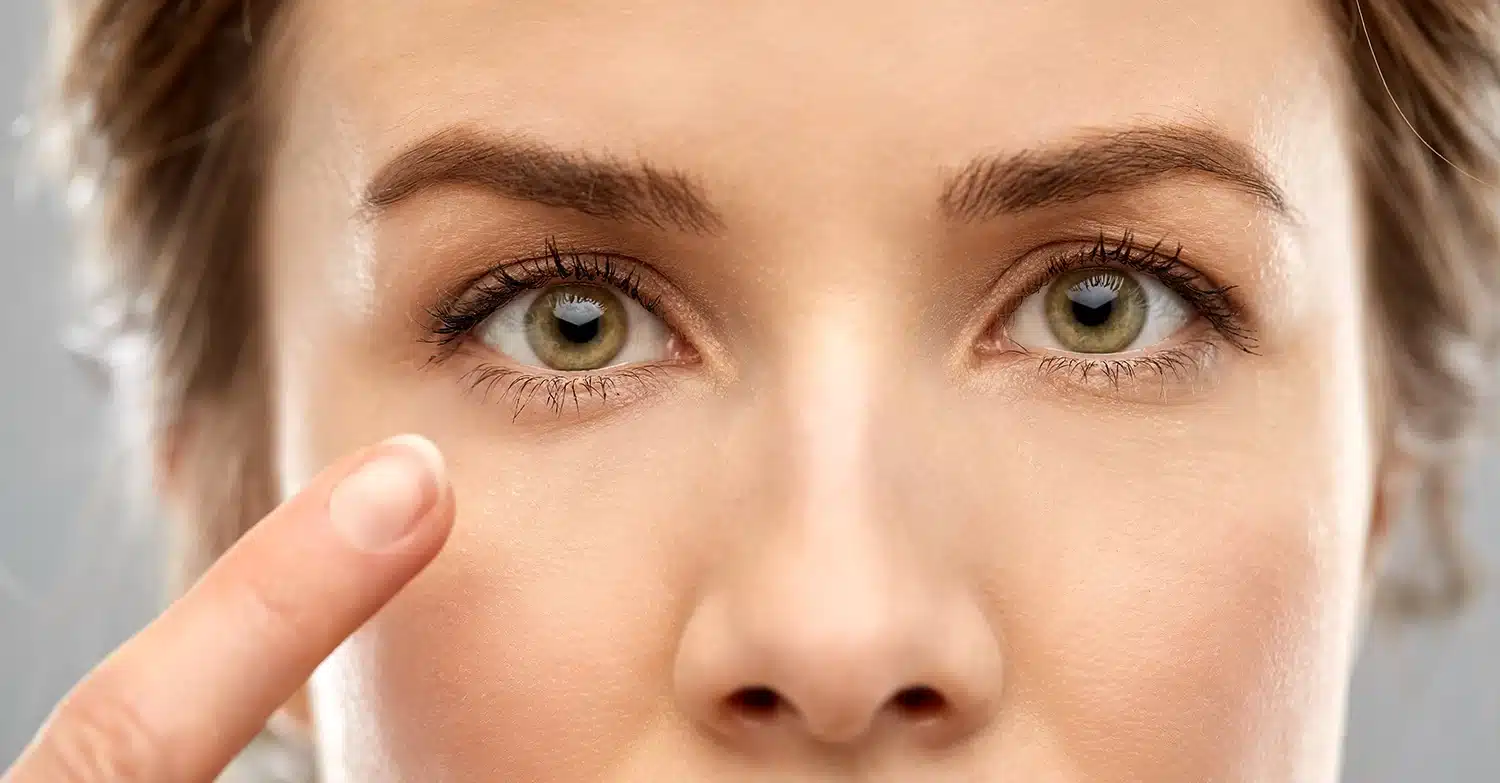
Patients often assume that lower eyelid surgery is about removing something—fat, skin, puffiness, or signs of aging.
In reality, the most successful lower eyelid surgery is often defined by what is preserved.
Among facial plastic surgeons, there is a longstanding understanding that the lower eyelid is one of the most unforgiving areas of the face. Small changes can have an outsized effect on appearance. While excess fat and skin may contribute to an aged or tired look, the structures that support the eyelid are far more important than the tissue being removed.
The most important thing to preserve in the lower eyelid is its natural support and shape.
This concept may sound simple, but it represents one of the most significant evolutions in modern facial plastic surgery.
Request Your Virtual Consultation
Learn More About Upper and Lower Blepharoplasty
The Problem with “More Removal”
Historically, lower eyelid surgery often focused on removing prominent fat pads and tightening excess skin. While these techniques could reduce puffiness, they sometimes produced a hollow appearance that looked less youthful over time.
Aging is not simply a process of accumulation. It is also a process of volume loss.
As surgeons gained a better understanding of facial aging, it became clear that aggressive removal could unintentionally create the very appearance patients hoped to avoid. Eyes that appeared sunken, rounded, or overly operated upon often shared a common feature: too much tissue had been removed and too little attention had been paid to preservation.
Today, the goal is not simply to subtract. It is to restore balance.
Preserving Eyelid Support
The lower eyelid rests in a delicate equilibrium maintained by muscles, tendons, connective tissue, and the natural relationship between the eyelid and cheek.
When these structures are respected, the eye maintains its youthful contour and function. When they are weakened or altered excessively, the eyelid can begin to descend or lose its natural shape.
This is why experienced facial plastic surgeons spend considerable time evaluating eyelid support before recommending surgery. In some patients, strengthening the lower eyelid is just as important as addressing excess fat or skin.
The objective is not merely a smoother lower eyelid. It is a lower eyelid that still looks entirely natural.
The Importance of Preserving Volume
Another major shift in lower eyelid surgery has been the recognition that under-eye fat is not always the enemy.
In many patients, carefully repositioning fat produces a more refined result than removing it altogether. Rather than creating a sharp separation between the eyelid and cheek, fat preservation can soften this transition and restore youthful contours.
This approach often allows patients to appear rested rather than surgically altered.
The best lower eyelid surgery should not change the character of the eyes. It should simply remove the distractions that make the face appear tired.
Natural Eye Shape Matters
Patients rarely seek surgery because they want different eyes.
They want their own eyes to look refreshed.
This distinction is important. The shape of the eye contributes significantly to facial identity and attractiveness. Preserving that shape requires careful attention to eyelid position, support, and volume throughout the procedure.
When lower eyelid surgery is performed thoughtfully, friends and family may notice that a patient looks younger or more energetic without being able to identify exactly why.
That is often the hallmark of a successful result.
A Modern Philosophy
The evolution of lower blepharoplasty reflects a broader principle in facial plastic surgery: preservation often produces more elegant results than aggressive correction.
Rather than focusing exclusively on what can be removed, modern surgeons increasingly focus on maintaining the structures that contribute to natural beauty.
In the lower eyelid, preserving support, volume, and shape is what allows rejuvenation to look believable.
Patients may come seeking a solution for under-eye bags, but the most enduring results are achieved when surgery respects the anatomy that makes the eyes unique in the first place.
Considering Lower Eyelid Surgery?
A comprehensive consultation is the best way to determine whether lower blepharoplasty, fat repositioning, or another approach is appropriate for your anatomy and aesthetic goals.
Schedule a consultation with Dr. Anil Shah to learn more about advanced lower eyelid rejuvenation techniques.
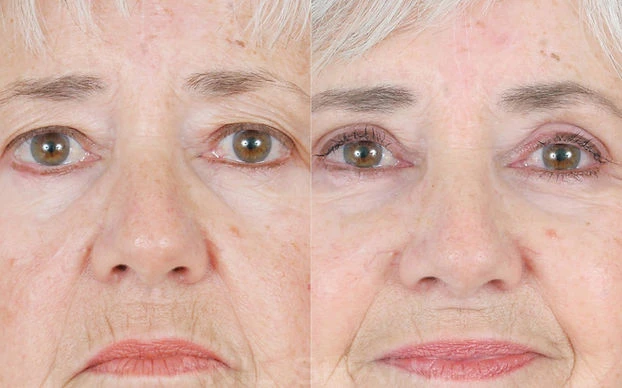
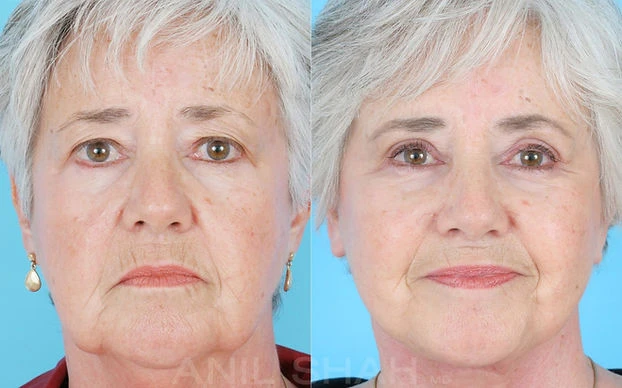
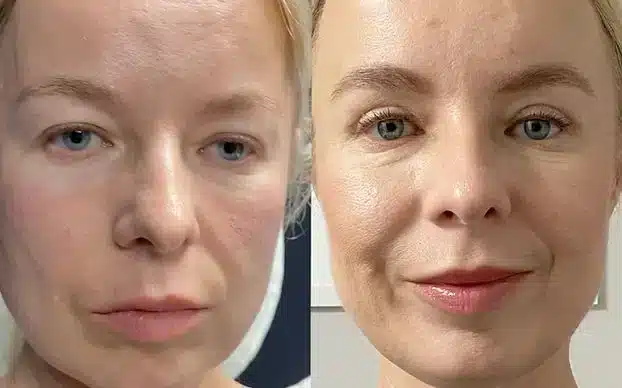
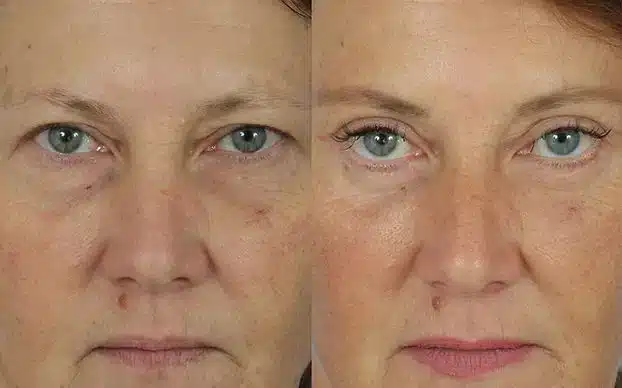
Before & After Eyelid Surgery Results
Dr. Anil Shah’s approach to blepharoplasty is marked by precision, artistry, and a commitment to natural beauty. In this gallery, you will witness remarkable transformations where tired, aged eyes are rejuvenated to reveal a more refreshed and youthful appearance.
Related Procedures and Articles
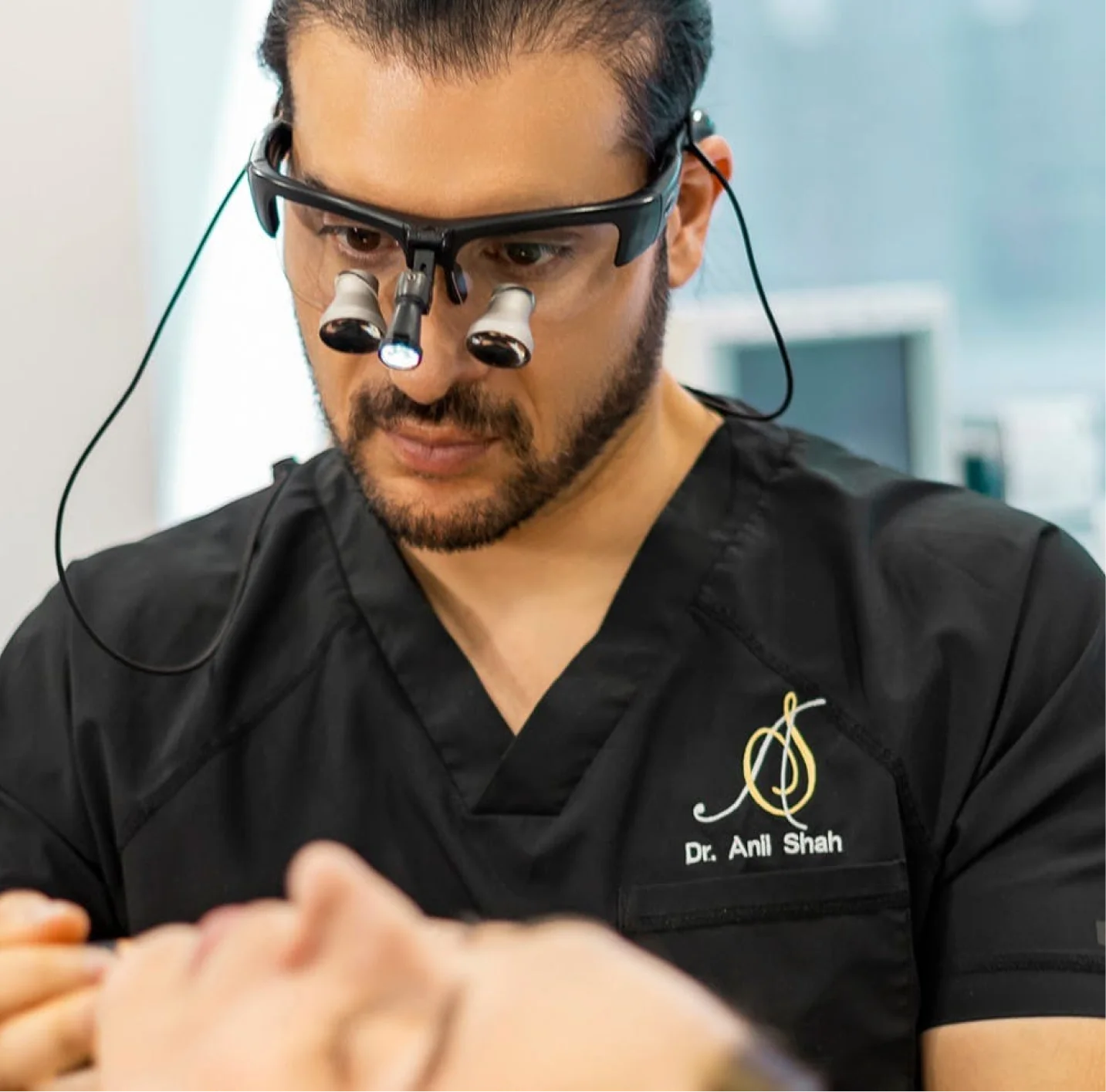
Inside Dr. Shah’s State-of-the-Art NYC Operating Room
When patients think about plastic surgery in New York City, they often focus on choosing world-class surgeons, but the environment where the procedure takes place is just as important.
Read More
Why Dr. Shah Has Reclaimed His Place in New York City’s Facial Plastic Surgery Scene
Dr. Anil Shah is no stranger to New York City facial plastic surgery. Before building his reputation in Chicago, he trained and practiced in Manhattan, completing a prestigious fellowship in Facial Plastics & Reconstructive Surgery and serving as a faculty member at NYU.
Read More
In the Media
Dr. Shah’s Press Highlights: Media Mentions & Features
Read More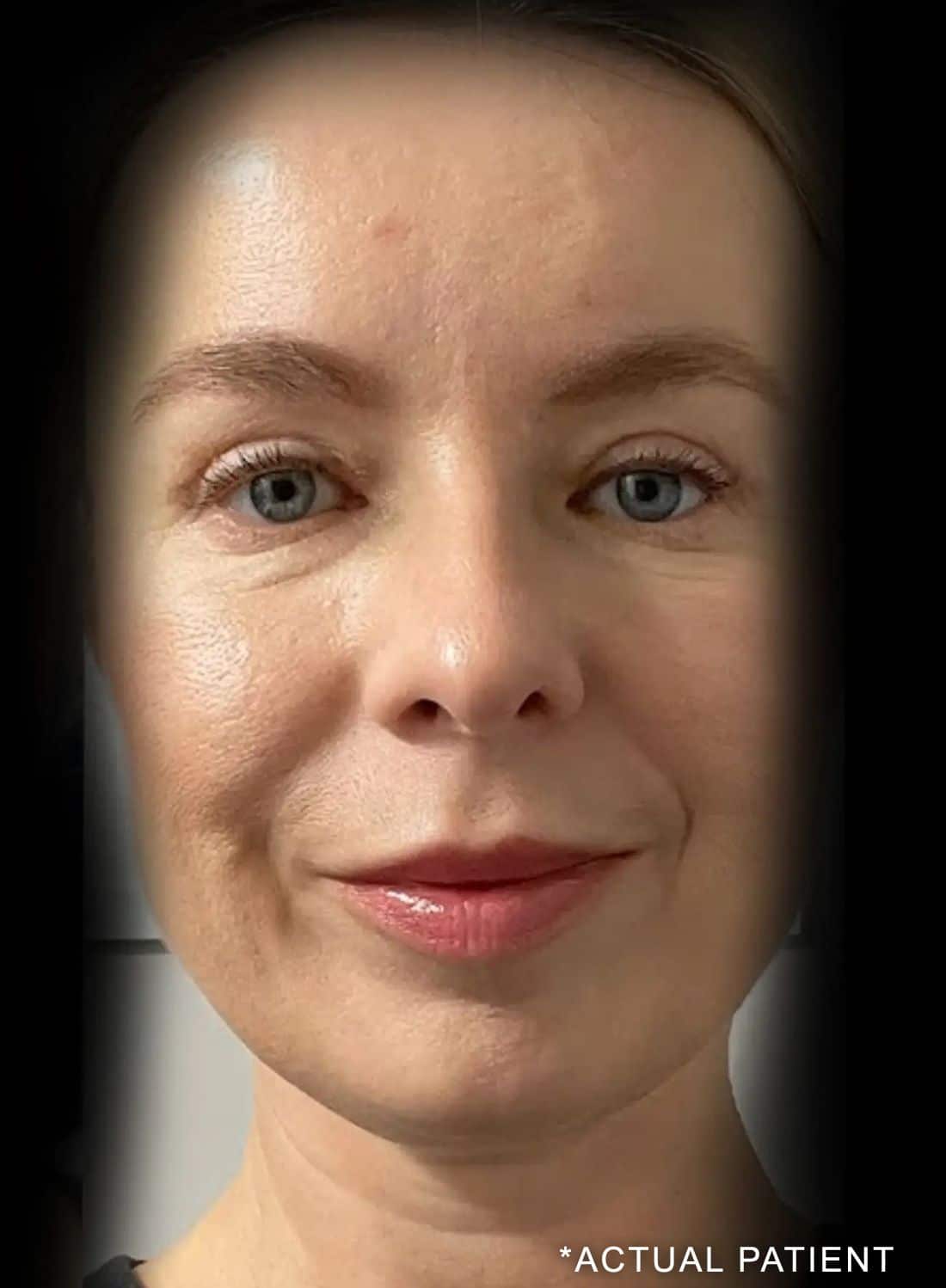
Lower eyelid surgery
Lower eyelid surgery at Noses and Necks NYC is designed to improve under-eye fullness, smooth contour irregularities, and restore a more rested appearance—without creating a tight or overcorrected look.
Read More